
Why Mind Moves exists
Founded on experience, not theory.
Mind Moves Performance came out of experience, not theory.
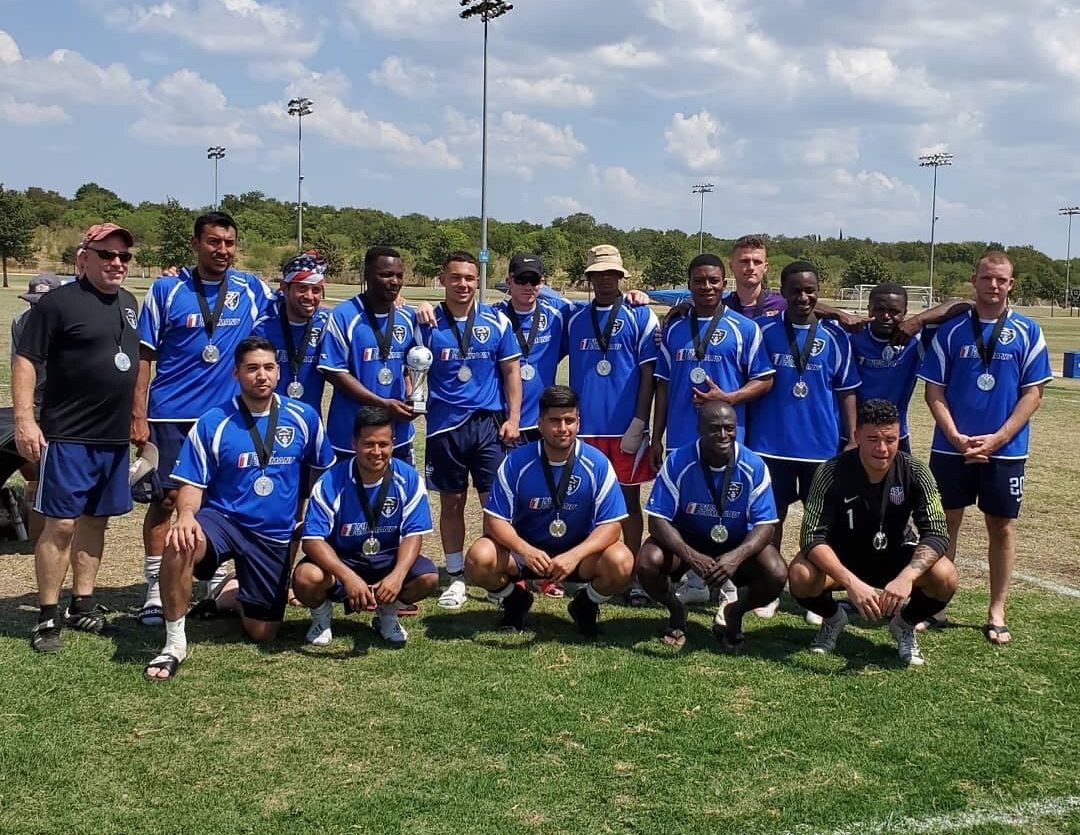
I’m a first-generation American. When I was 10, my brother died in a car accident. He was 18. Sports became where I put all of it — the grief, the energy, the need to belong somewhere. Athletics gave me structure, community, friendship, and most of the skills I still use.
It also became who I was.
I worked hard in the wrong direction. I took my identity from my performance instead of bringing my identity to it, and I chased outcomes without a process, because nobody had ever taught me one. I carried habits from high school into college that stopped working, struggled academically, and when my athletic career changed, my confidence went with it. I didn’t have systems for the transition. I didn’t know I was supposed to.
At 25, I joined the U.S. Air Force. Not because I had it figured out — because I knew I didn’t, and I needed structure and a different path.
What I learned is that sport gives people teamwork, grit, resilience, communication, community, and friendships that last decades. But as youth athletics becomes more polarized by pay-to-play and outcome pressure, it’s easy to forget what sport is actually for. It’s supposed to develop people.
The purpose of sport served me when I needed it most. I built Mind Moves so athletes don’t have to learn these systems the way I did — after the fact.



Structure came first. Then purpose.
The Air Force gave me the thing I had been missing as an athlete: a system that did not depend on how I felt that day. Standards held when motivation did not. Preparation was a routine, not a mood.
That is the same thing Mission Driven builds for athletes — on purpose, and early, instead of after something breaks.
What I bring
- BA in Child Psychology
- MSW, Cal State East Bay
- Licensed Clinical Social Worker
- U.S. Air Force veteran
- Graduate coursework in applied sport psychology
- Completing mentored experience toward the CMPC credential through AASP
- Former youth and collegiate athlete
- Ambassador, Project Play Soccer
What I believe
- Sport is a vehicle for developing human potential.
- Bring your identity to your performance — not your performance into your identity.
- If you don’t define success for yourself, the scoreboard will. Someone else will. The outcome will.
- When we set a goal or decide to take action, it’s our mind that moves performance.
- Pressure exposes gaps. Tailored tools close them.
- Preventative, not reactionary — I teach people to respond, not react.
- Progress is built brick by brick.
What this is and isn’t
I’m a Licensed Clinical Social Worker, but Mind Moves Performance is mental performance coaching and education — not therapy or clinical treatment. I keep that line clear in how I work, what I document, and what I promise.
If something comes up that belongs in clinical care, I can recognize it and make an informed referral or recommendation. Knowing the difference is part of doing this responsibly.
When we set a goal or decide to take action, it’s our mind that moves performance.